
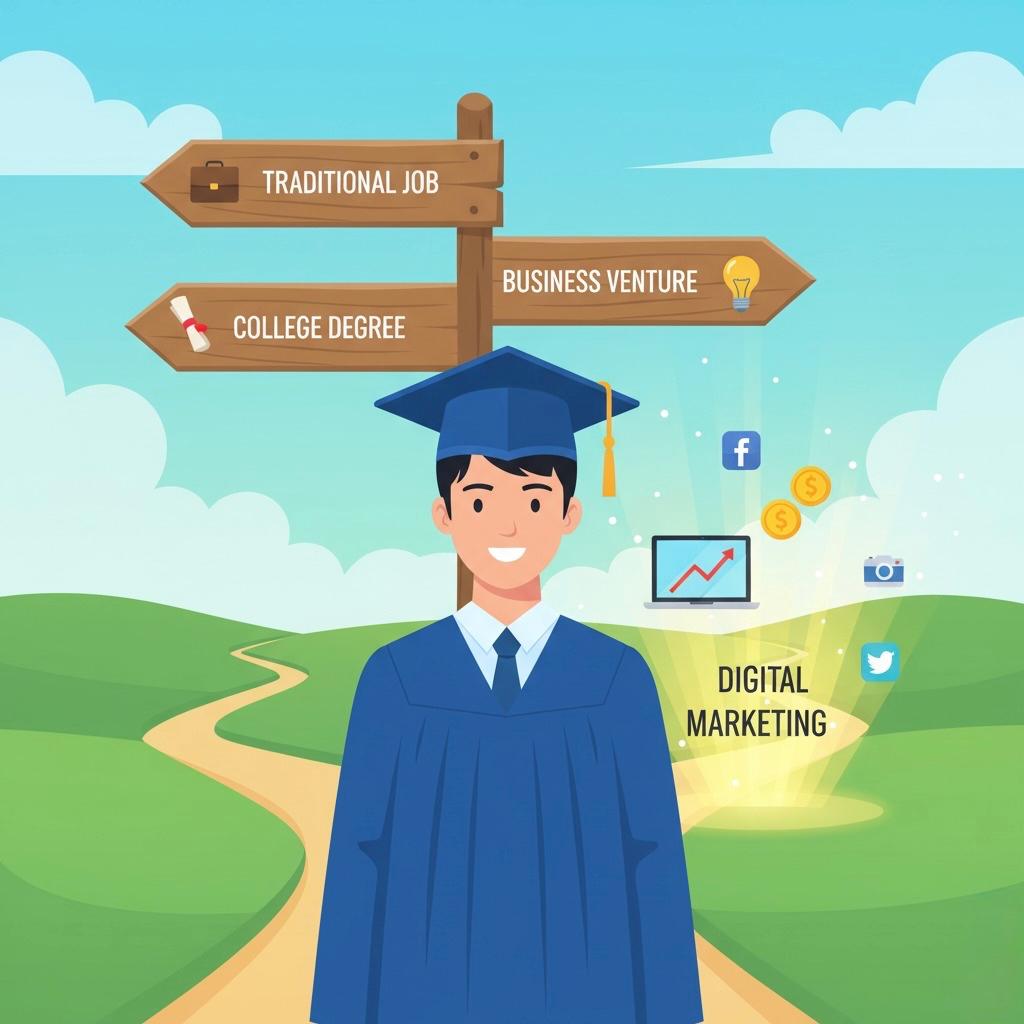
Many students and beginners believe that learning digital marketing requires expensive courses or paid certifications. The truth is, you do not need to spend thousands of rupees to build strong digital marketing skills. What you actually need is curiosity, consistency, and smart use of free resources available online.
Digital marketing is a practical field. You learn more by doing than by just watching lectures. If you are willing to experiment and practice regularly, you can build industry-level skills without paying for premium programs.
Let us understand how you can learn digital marketing for free .
1. Start with Free Online Courses
Several reputed platforms offer free digital marketing training. For example, Google provides free learning resources through its training programs. These courses cover basics like SEO, search ads, analytics, and online strategy.
You can also explore free video lessons on YouTube. Many experienced marketers share practical tutorials, live campaign demonstrations, and case studies. The key is to follow structured playlists instead of randomly watching videos.
Make a study plan. Dedicate at least 1–2 hours daily. Consistency matters more than speed.
2. Learn SEO by Practicing on Your Own Website
Search Engine Optimization (SEO) is one of the most valuable digital marketing skills. The best way to learn SEO is by creating your own blog or simple website.
You can:
- Choose a free blogging platform
- Write articles on topics you like
- Practice keyword research
- Optimize titles and meta descriptions
- Track your rankings
Observe how your content performs on search engines like Google. Over time, you will understand how algorithms respond to quality content, backlinks, and consistency.
Practical experimentation teaches more than theory.
3. Use Social Media as a Learning Lab
Instead of using social media only for entertainment, start analyzing it from a marketing perspective.
Platforms such as Instagram and Facebook are powerful marketing tools. Observe how brands create posts, write captions, use hashtags, and engage with followers.
You can:
- Start your own theme page
- Post consistently
- Test different content formats
- Monitor engagement metrics
By managing even a small page, you learn content strategy, audience behavior, and growth techniques — all without spending money.
4. Understand Paid Ads Through Free Simulations
Although running real ads requires budget, you can still understand how paid advertising works by exploring platforms like Google Ads.
Create a free account and study:
- Campaign structure
- Keyword targeting
- Ad copy writing
- Audience segmentation
- Budget settings
Even without launching campaigns, you can learn the system interface and strategy behind paid marketing.
Many YouTube tutorials provide step-by-step walkthroughs of live campaigns. Watch them carefully and take notes.
5. Read Blogs and Industry Updates
Digital marketing keeps evolving. Staying updated is essential. Many marketing experts and companies publish free blogs covering trends, algorithm updates, and case studies.
Make it a habit to:
- Read marketing articles weekly
- Follow industry leaders on social media
- Join free marketing communities
Reading improves your strategic thinking and helps you understand real-world applications.
6. Offer Free Services Initially
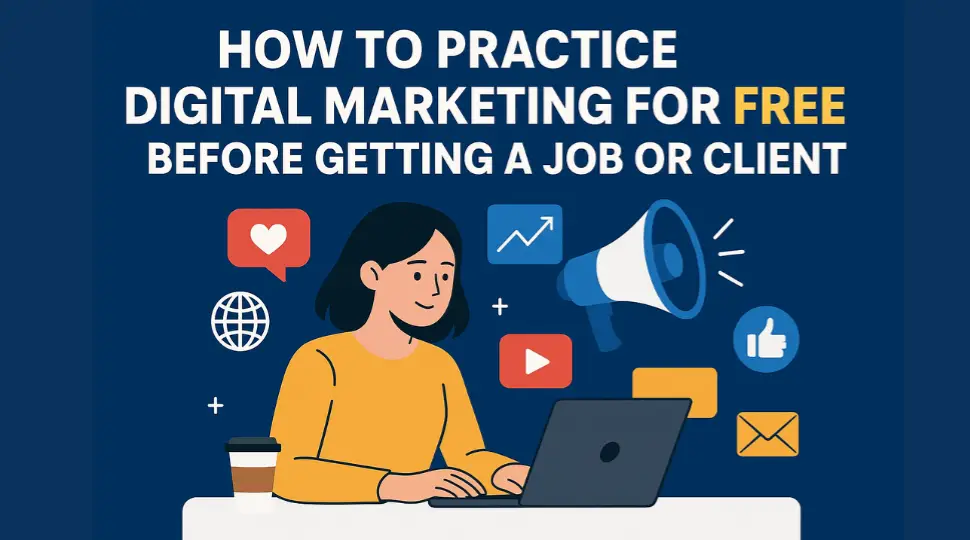
One of the smartest ways to learn without paying is to work on real projects. In the beginning, you may not have experience, so offer your services for free or at a minimal cost.
You can:
- Help a local shop manage social media
- Assist a friend’s startup with content
- Optimize a small website
- Write blog posts for beginners
This gives you hands-on exposure. Real client challenges teach more than any paid course.
Once you gain confidence and results, you can start charging professionally.
7. Build Your Personal Brand
Learning digital marketing without paying becomes easier when you apply everything to yourself.
Create:
- A LinkedIn profile
- A small portfolio website
- A content page on Instagram
- Informative videos on YouTube
Document your learning journey. Share insights and case studies. This not only improves your skills but also builds credibility.
Employers and clients value proof of work more than certificates.
8. Use Free Analytics Tools
Understanding data is crucial in digital marketing. Tools like website analytics platforms allow you to measure traffic, audience behavior, and performance.
Learn how to:
- Track website visitors
- Analyze bounce rates
- Measure conversions
- Understand audience demographics
Data-driven thinking separates average marketers from professionals.
9. Stay Disciplined and Avoid Information Overload
One common mistake beginners make is consuming too much random information. Digital marketing has many branches — SEO, content marketing, paid ads, email marketing, and more.
Instead of trying to master everything at once:
- Choose one skill
- Practice consistently for 30–60 days
- Build a small project around it
- Then move to the next skill
Structured learning gives better results than scattered efforts.
10. Practice Patience
To learn digital marketing for free requires patience. Results will not appear instantly. Websites take time to rank. Social media pages take time to grow. Skills take time to develop.
However, the advantage is that you are investing time instead of money. And time invested wisely builds long-term capability.
Conclusion
You do not need expensive courses to become skilled in digital marketing. thus, one can learn digital marketing for free though internet. The internet itself is the biggest classroom. With free resources from platforms like Google, practical exposure through Instagram and Facebook, and educational content on YouTube, anyone can start learning immediately.
The real difference lies in action. Watching tutorials is easy. Practicing daily is what builds expertise.
If you stay consistent, apply what you learn, and continuously improve, you can develop strong digital marketing skills without spending money. In fact, by the time others finish expensive programs, you may already have practical experience and real projects in your portfolio.